
Skin Cancer Checks & Treatment in Peregian Beach
Expert diagnosis, mole checks and advanced care by a Board certified dermatologist.
Why Skin Cancer Checks Matter
Skin cancer is Australia’s most common cancer – but early detection can save lives. At our specialist clinic in Peregian Beach, Dr Clare Patterson offers comprehensive skin cancer checks, mole assessments, and surgical removal, all guided by 25 years of international dermatology expertise.
Dermatologists like Dr Patterson are specifically trained to detect subtle skin changes and accurately diagnose skin cancers, including basal cell carcinoma (BCC), squamous cell carcinoma (SCC), and melanoma. If you’ve noticed a spot that’s changing, itching, bleeding or simply doesn’t feel right – don’t wait.
What Does a Skin Cancer Look Like?
Skin cancers can appear in many forms. Common warning signs include:
A new or changing mole
A sore that doesn’t heal
A red or scaly patch
A raised, pearly bump with visible blood vessels
A firm, wart-like or crusted growth
Itching, tenderness, or pain in one area
Something that just doesnt feel right to you
Early Detection of Melanoma
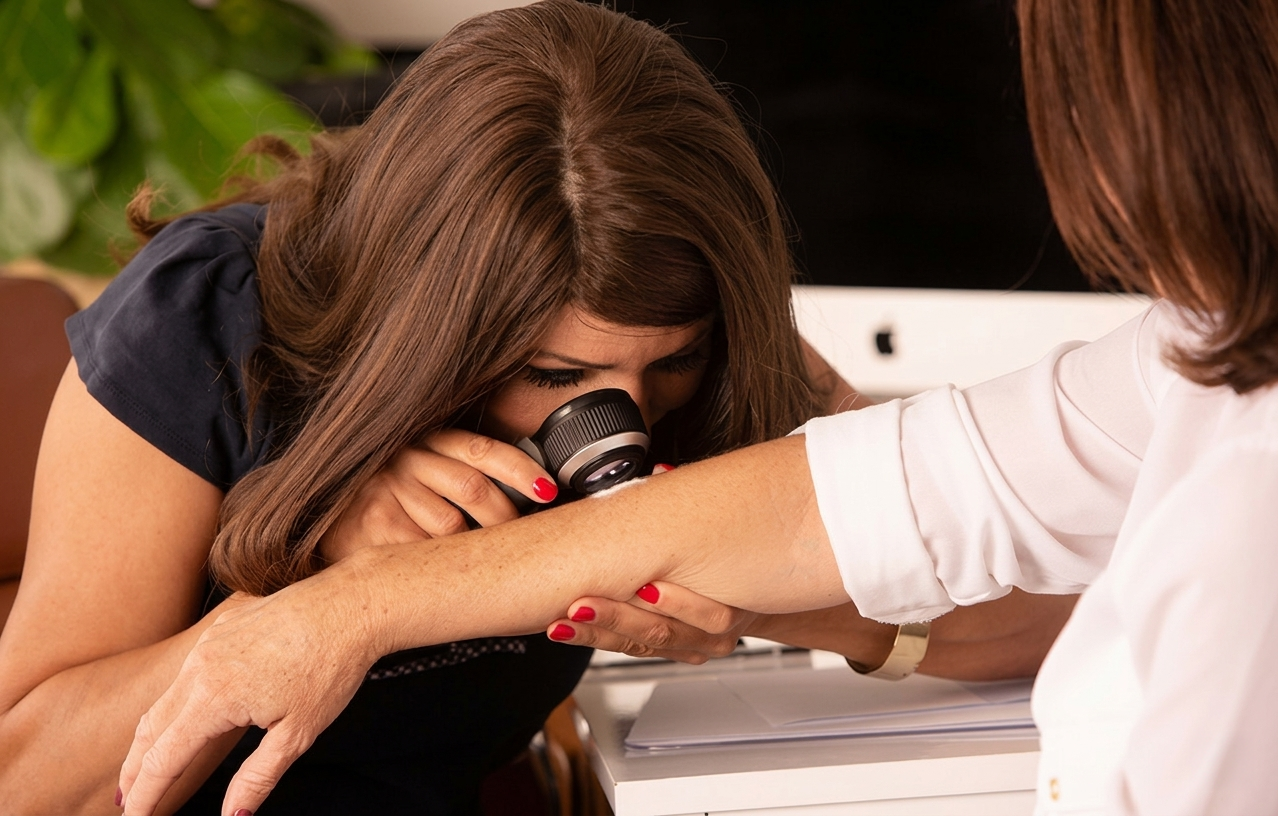
During a mole check, Dr Clare Patterson uses dermatoscopy and draws on over 25 years of clinical experience to carefully assess your skin for early signs of melanoma. Key warning signs include:
Asymmetrical pigment
Irregular patterns
Abnormal growth
Colour variation within a lesion
Changes over time
Even subtle changes can be significant – early diagnosis saves lives. The priority is identifying skin cancers and avoiding unnecessary surgery on harmless moles.
Types of Skin Cancer
Basal Cell Carcinoma (BCC) – Most common, slow-growing, sun-exposed areas
Squamous Cell Carcinoma (SCC) – Grow quickly, bleed or become tender
Melanoma: – The most dangerous type – early detection is critical
The Role of Dermatologists vs GPs
Dermatologists are medical specialists with advanced training in all skin conditions, including skin cancer. They complete five years of specialist hospital training after medical school and hold professional qualifications in dermatology, giving them expert-level knowledge in diagnosing and managing both common and complex skin diseases.
Skin cancer doctors play an important role in community screening . They are general practitioners (GPs) who first train in family medicine and then do additional courses or certificates in skin cancer. They are not skin specialists.
What to Expect During a Skin Cancer Check
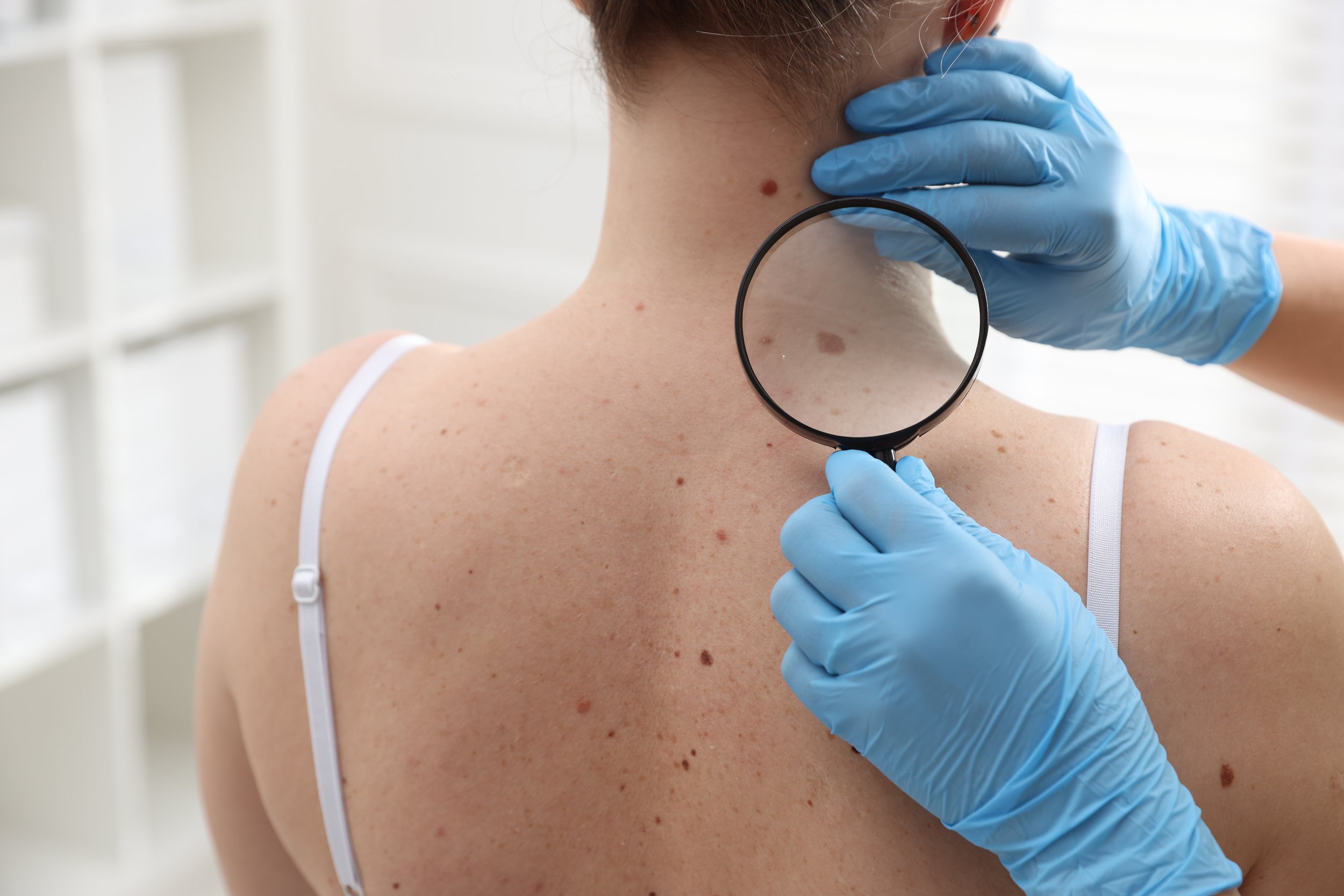
Full-body examination using dermatoscope
Documentation of suspicious lesions
Immediate biopsy if needed
Follow-up and treatment plan tailored to your skin type and condition
All skin checks are conducted to gold-standard dermatology protocols, with patient comfort and clarity at the forefront.
Skin Cancer Treatment Options
Depending on the diagnosis, treatment may include:
Surgical excision
Cryotherapy
Curettage and cautery
Ongoing skin surveillance
You will always receive a detailed explanation of your treatment options, risks, and aftercare plan.
Book a Specialist Skin Check
Whether it’s time for your annual skin cancer screening or you’ve noticed something new or concerning, booking with a specialist gives you peace of mind.
FAQs
-
No, you can book directly. A referral will give you a higher Medicare rebate, but it’s not required.
-
Annually is recommended for most people, but more frequent checks may be needed if you have a personal or family history of skin cancer, lots of moles, or a history of sun exposure and sun damage.
-
If a biopsy is required, results usually take a few days. We’ll contact you to discuss the next steps as soon as they’re available.